introduction
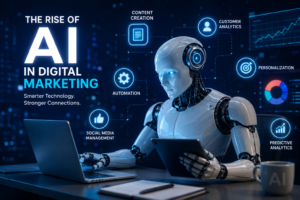
Digital marketing is evolving faster than ever, and one of the biggest drivers behind this change is Artificial Intelligence (AI). In the past two years, AI has shifted from being a “nice-to-have tool” to a core part of marketing strategy. As a digital marketer working in this space, I’ve seen firsthand how AI tools are saving time, improving performance, and helping brands scale faster.How AI is Transforming MarketingAI is no longer limited to automation—it’s now about intelligent decision-making. Tools like ChatGPT, Jasper, and Midjourney are helping marketers generate content, while platforms like Google Ads and Meta Ads use AI for better targeting and optimization.Key Areas Where AI is Making an Impact:Content Creation: Blogs, captions, emails, and even video scripts can be generated in minutes.Customer Insights: AI analyzes behavior to predict what customers want.Ad Optimization: AI automatically adjusts bids, creatives, and audiences.Chatbots & Customer Support: 24/7 engagement with personalized responses.Real-World ExampleIn my experience managing campaigns, AI-powered ad optimization has reduced cost-per-click by nearly 20–30%. Instead of manually testing everything, AI tools identify winning creatives and audiences faster.Benefits of Using AI in MarketingSaves time on repetitive tasksImproves campaign performanceEnables personalization at scaleHelps small businesses compete with bigger brandsChallenges to ConsiderAI is powerful, but it’s not perfect:Over-reliance can reduce creativityContent may feel generic if not editedRequires human strategy and emotional intelligenceFuture of AI in MarketingAI will continue to evolve into:Hyper-personalized marketing experiencesVoice and visual search optimizationPredictive analytics for customer behaviorConclusionAI is not here to replace marketers—it’s here to enhance our capabilities. The smartest marketers in 2026 are those who know how to combine AI efficiency with human creativity.Blog 2: Short-Form Video Content – The King of EngagementIntroductionIf you’re not using short-form video in your marketing strategy, you’re already behind. Platforms like Instagram Reels, TikTok, and YouTube Shorts have completely changed how users consume content.From my experience, short-form videos are the fastest way to grow reach, engagement, and brand visibility.Why Short-Form Content WorksAttention spans are shrinking. Users want:Quick informationEntertaining contentEasy-to-consume visualsShort-form videos deliver all three.Key BenefitsHigher engagement ratesBetter organic reachIncreased chances of going viralStronger brand recallWinning Content Strategies1. Hook in the First 3 SecondsIf your video doesn’t grab attention instantly, users will scroll.2. Follow TrendsUse trending audio, formats, and challenges—but adapt them to your niche.3. Educate + EntertainContent that teaches something while being entertaining performs best.4. Consistency MattersPosting regularly is more important than posting perfectly.Content IdeasBehind-the-scenes of your brandQuick tips or hacksBefore/after transformationsCustomer testimonialsTrend-based reelsReal InsightWhen I started focusing on reels for a small brand, reach increased by 3x within a month, even without ads. That’s the power of organic video content.Mistakes to AvoidOver-editing videosIgnoring captions and hashtagsPosting without a strategyCopying content without adding valueFuture TrendShort-form videos will evolve into:Shoppable videosAI-generated video contentInteractive video experiencesConclusionShort-form video is no longer optional—it’s essential. If you want growth in 2026, start creating engaging, consistent video content today.Blog 3: Personal Branding – The Secret Weapon in Digital MarketingIntroductionIn today’s digital world, people don’t just follow brands—they follow people. Personal branding has become one of the most powerful marketing tools, especially for freelancers, entrepreneurs, and digital marketers.As someone with 2 years in digital marketing, I’ve realized that building a personal brand opens more opportunities than just running ads or managing pages.What is Personal Branding?Personal branding is how you present yourself online—your skills, personality, and value.It’s about:Building trustShowing expertiseCreating a unique identityWhy Personal Branding MattersBuilds credibilityAttracts clients and job opportunitiesCreates long-term audience trustDifferentiates you from competitorsPlatforms to Focus OnInstagram (for visual storytelling)LinkedIn (for professional growth)YouTube (for long-form content)Twitter/X (for quick insights and trends)How to Build a Strong Personal Brand1. Define Your NicheDon’t try to do everything. Focus on one area like:Social media marketingSEOContent marketingPaid ads2. Share Valuable ContentPost:Tips and strategiesCase studiesPersonal experiencesIndustry insights3. Be ConsistentConsistency builds trust. Even 3–4 posts per week can make a difference.4. Show Your PersonalityPeople connect with authenticity more than perfection.Real InsightI’ve seen many beginners grow faster by focusing on personal branding rather than just working behind the scenes. Clients trust faces more than logos.Common MistakesCopying others without originalityPosting without a clear nicheGiving up too earlyFocusing only on sellingFuture of Personal BrandingMore creator-led businessesRise of micro-influencersStronger community-driven marketingConclusionPersonal branding is not just a trend—it’s a long-term asset. If you start building your brand today, you’ll create opportunities that no ad campaign can guarantee.If you want next step:I can also:Turn these into SEO-optimized blogs (with keywords & meta descriptions)Convert them into Instagram posts / carousel contentOr customize them specifically for your clothing brand growth